About Daler-Rowney
Our reputation as a manufacturer of the finest art materials dates back 240+ years. Here at Daler-Rowney, our aim is to allow everyone to be creative. Inspiring creativity since 1783, we strive to be accessible, inclusive and innovative, offering an outstanding artistic experience to all.
In 1983, the Daler Board Company purchased the George Rowney Company to become Daler-Rowney Limited, as it's known today. In their own specialist areas of manufacture, both companies led the development of fine artists' materials in the United Kingdom for many years. The combined heritage of both companies and the Daler-Rowney name has become synonymous with consistent quality to artists throughout the world.
Artists are at the core of everything we do. We develop, produce and deliver products, which are not only fit for purpose but exceed the expectations of our artist's community.
Our mission is to inspire by creating sustainable, qualitative, durable art materials every day, every year for everybody, making art accessible.
Want to know what jobs we have available? Visit our Careers page for more information.
Our Values
- Individuality: Express yourself, raise your artistic voice and paint loud. Our #paintloud project has been created to support you.
- Diversity: Art is open to everyone. Everyone is an individual and can have ideas as unique as they are. We celebrate this diversity and encourage you to join us and make your mark!
- Innovation: Free your thoughts to challenge what exists and tread new ground. Through product innovation, we are here to help inspire and support your creative journey.
- Excellence: Striving to reach and exceed your expectations, we are continuously learning and adapting to improve what we do.
Our History

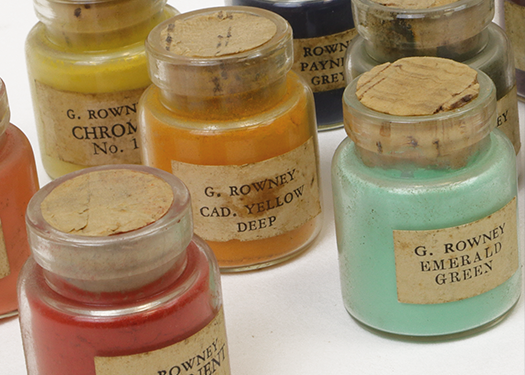
In 1780 Richard and Thomas Rowney, both apothecaries living in Oxford, were grinding perfumed powders to colour and sweeten wigs. Their business continued to thrive until King George IV “removed” his wig. As a gesture of respect, polite society followed and other than in the legal and medical professions, wearing wigs became unfashionable.
By this time painting as a craft was becoming less rigid. This meant that ecclesiastic subjects and portraits of the rich and famous continued to be painted by "craftsmen" but landscapes and seascapes were painted by a new breed called "artists".
With the dwindling demand for wigs, the Rowney brothers changed the emphasis of their business and began grinding the coloured wig powders more finely to supply manufacturers of oil colour.
As chemists, they also had the knowledge to make their own oil colour and started to mix their fine pigments with drying oils to do so.
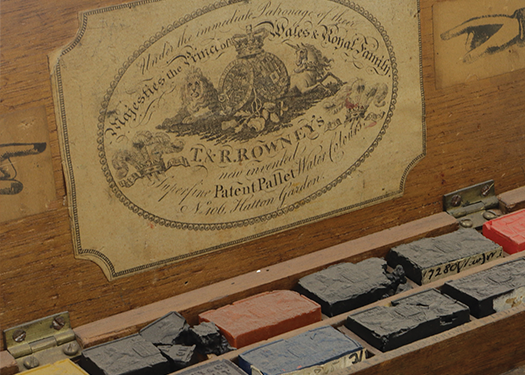
The company soon gained a good reputation and they swiftly relocated to Oxford Street. This area, known at the time as Fitzrovia, had become famous to both amateur and professional artists.
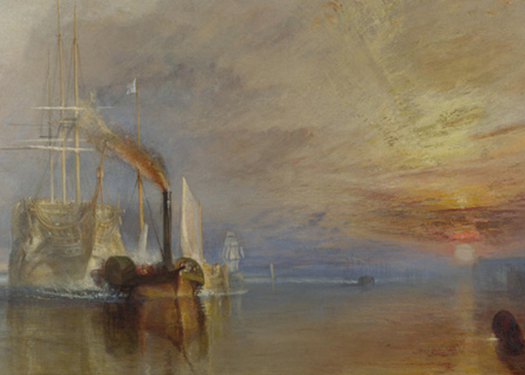
By this time Thomas Rowney’s son, George, headed the company and soon established a close relationship with John Mallord William Turner, leading to George Rowney and Company being appointed official lithographer of Turner’s famous paintings.
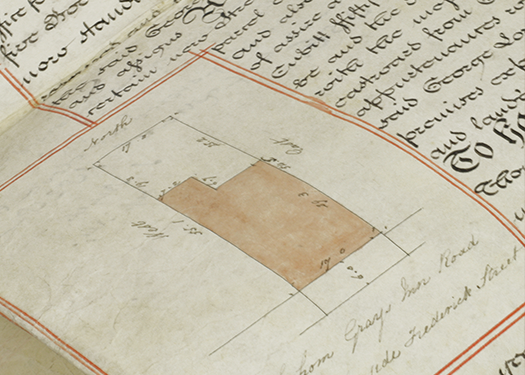
In 1830, the George Rowney Company relocated to Bloomsbury and started manufacturing moist watercolour pans by incorporating moisture-retaining sugar (glycerine) into the formulation. The performance of these moist watercolour pans were far superior to the previously available watercolour cakes that were simply made by compressing pigment into a tablet shape.
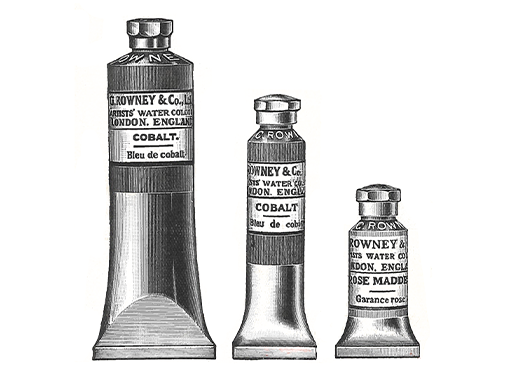
In addition to manufacturing colours, George Rowney helped establish new ways to store and retail colours adopting Browns’ lead collapsible tubes. Introduced by Browns in 1841, these tubes replaced bladders and fragile glass syringes previously used to hold colour.
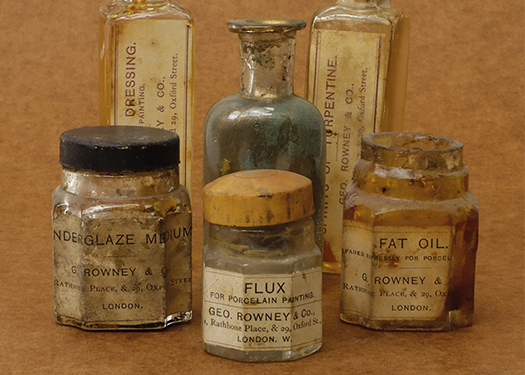
George Rowney exhibited at the Great Exhibition at Crystal Palace and the company continued to supply many famous artists including Turner and John Constable.
As the company flourished through the decades the mutual understanding of colours has maintained this special relationship with artists.

In the later part of the century, George Rowney Company exported boxed sets of colours and pencils to India and the Commonwealth via the East India Company.
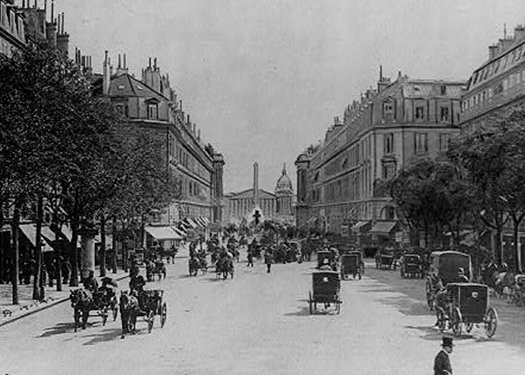
George Rowney Company opened a subsidiary in Paris.

Manufacturing in Bloomsbury, the company continued trading through both world wars despite serious bomb damage in 1940 and 1941.
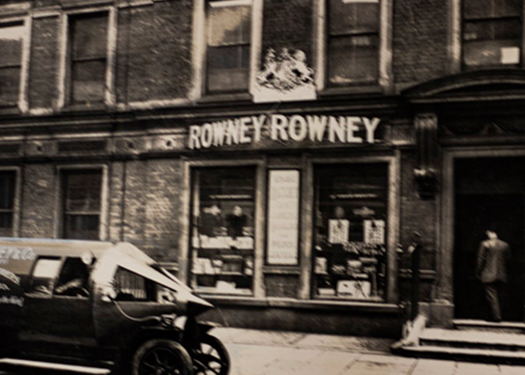
The famous George Rowney showroom opened on Percy Street in central London.
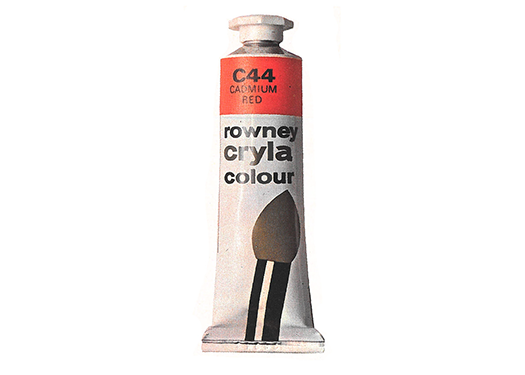
Rowney became one of the first manufacturers in Europe to introduce an artist's acrylic colour. Rowney’s Cryla was widely used by artists throughout the 1960s and 1970s heralding a new era in art practice which became known as ‘Pop Art’. Two of its best-known proponents, Peter Blake and Bridget Riley, used Rowney's Cryla acrylics extensively during this period.
Rowney Canada was established in 1963 to address the growing demand in North America and a factory dedicated to making high-quality artist brushes was opened in Dartmouth in Devon.

To keep pace with the rapid expansion in home and overseas markets, George Rowney Company moved from London to modern premises situated in a four and a half acre site on the edge of the green belt in Bracknell, Berkshire. This remains the hub of R&D, production and warehousing to this day.
The business had passed through generations of Rowney children, but Thomas Rowney who had worked as Managing Director for over 30 years had no family following him in the business. In 1969 he sold the George Rowney Company to Morgan Crucible, a conglomerate which managed Rowney’s operations for a number of years.
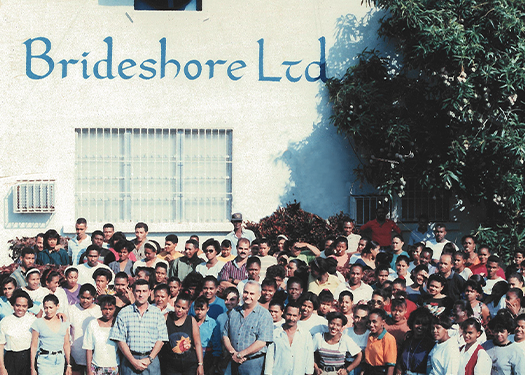
In addition, Robert Simmons, later to be acquired by Daler-Rowney Ltd, opened an artist brush factory in La Romana in the Dominican Republic.
In 1983 Morgan Crucible decided to sell the George Rowney Company to the Daler Board company, famous for their long tradition in the creation of papers, boards and brushes. The Daler-Rowney company was founded.
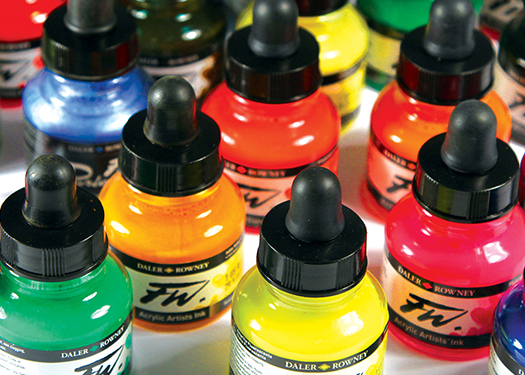
In 1988, Daler-Rowney USA opened in New Jersey, serving the needs of fine artists and craftworkers, coast to coast across the States and Canada.
The transatlantic connection was further strengthened in 1990 with the acquisition of ink manufacturers Robert Steig, which added the unrivalled FW Artists’ Liquid Acrylics and Pearlescent Inks to Daler-Rowney’s product portfolio.
Robert Simmons, the US brand leader in art and craft brushes, joined the group.
The German fine art supplies manufacturer, Lukas, joined the Daler-Rowney group with famous brands such as Terzia, 1862 and Cryl recognised for their lightfastness, coverage and superior quality worldwide but especially in Germany, Austria and Switzerland.

The Daler-Rowney group joined the F.I.L.A. Group (www.filagroup.it).
“F.I.L.A. and Daler-Rowney combination is a perfect fit for enhancing both of our product offering, geographical coverage and sales channel development. It is a fantastic opportunity for the next step of our development.” Patrick Giraud, CEO Daler-Rowney, 03.02.2016.

To react to continuous business expansion with the growing needs of colour production and to guarantee consistent fast delivery to our customers, Daler-Rowney opened a new warehouse facility on Lovelace Road, adjacent to the main site.

Creativity international joined the Daler-Rowney Group with a unique portfolio in the arts and crafts market with famous brands in the education sector such as Fadeless and Bordette.
Creative Art Products Ltd joined the Daler-Rowney Group, a company predominately in the educational market through Local Authorities and Independent School suppliers, but also in the trade and retail sectors.
The brand name, Scola, has become synonymous with quality products, safe to use and good value. This acquisition complements our already wide range of FILA Art & Craft products and does reinforce our manufacturing presence in the UK.
Daler-Rowney Factories
Colour Factory & Headquarters
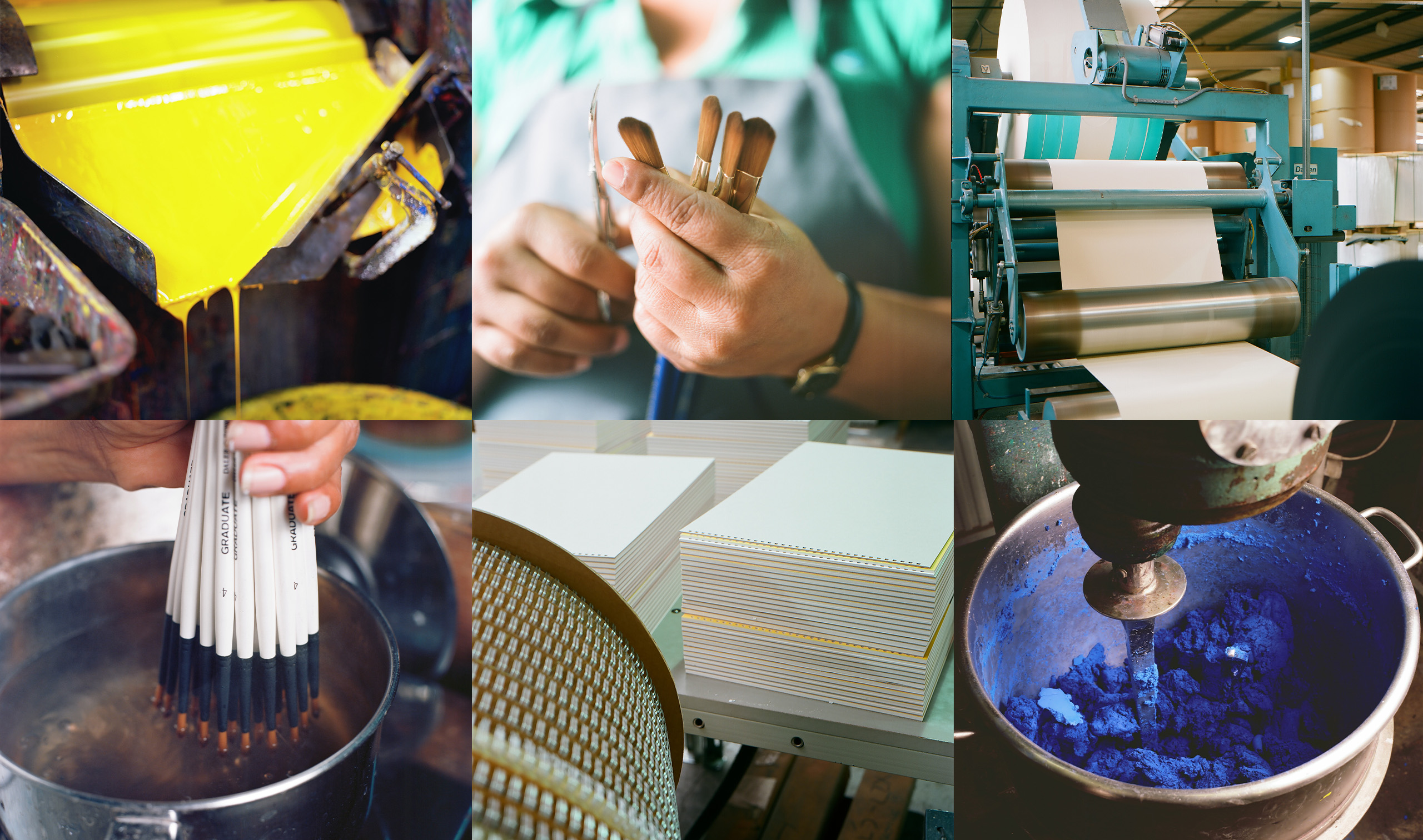
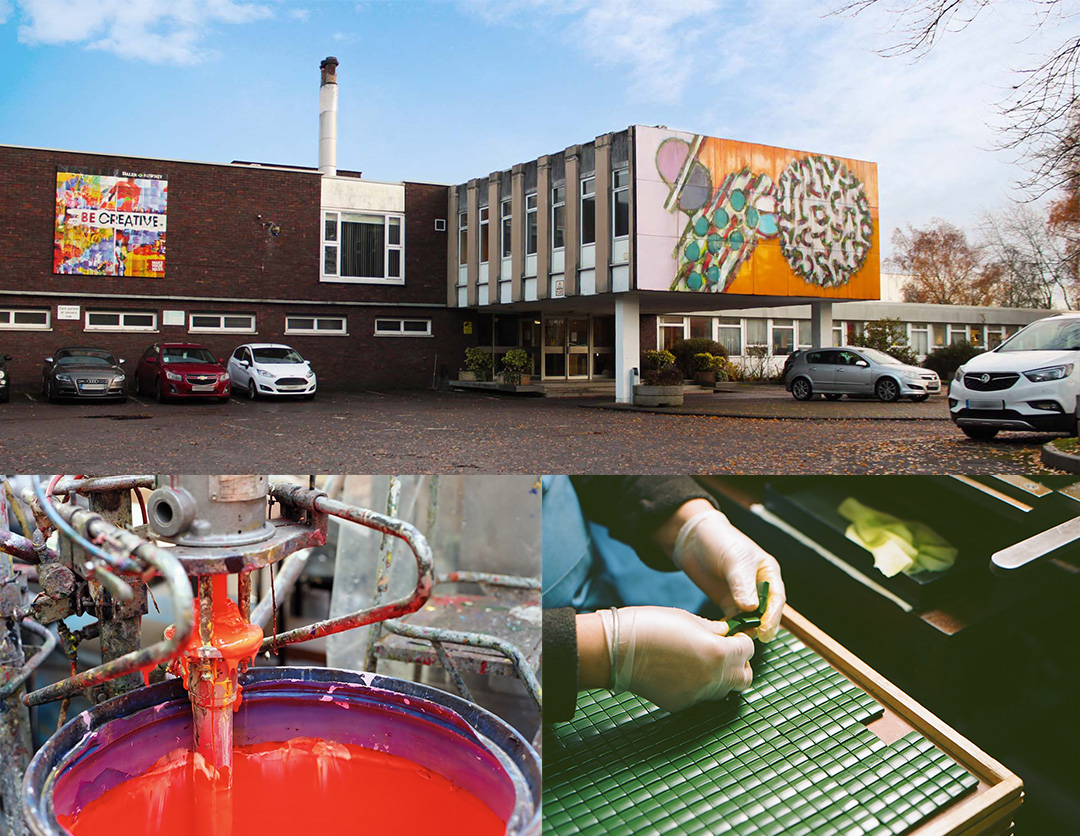
Daler-Rowney’s main office, warehouse and colour manufacturing factory are situated on the edge of the green belt in Bracknell, Berkshire. The site has been the hub of R&D, production and warehousing since the company moved from London in 1967 to keep pace with the rapid expansion of business in the UK and overseas markets. The move continued the company’s presence as a UK manufacturer of colour since 1783. Our colour production consists of 27 filling lines handling everything from 5ml to 5L units in batch sizes from 10 to 67,000 units. Our mill room, which is key to the outstanding quality of our colours, can produce batches of anything from 10L to 1,000L. Our current annual output is around 30-35 million units per year with the capacity to reach 50 million. The factory in Bracknell also produces a selection sketchbooks and mountboards.
Daler-Rowney also has factories and warehouses in Dudley and Middlewich. Our Dudley factory manufactures a range of paper products, whilst our Middlewich focuses on our primary school education products.
Brush & Surface Factory
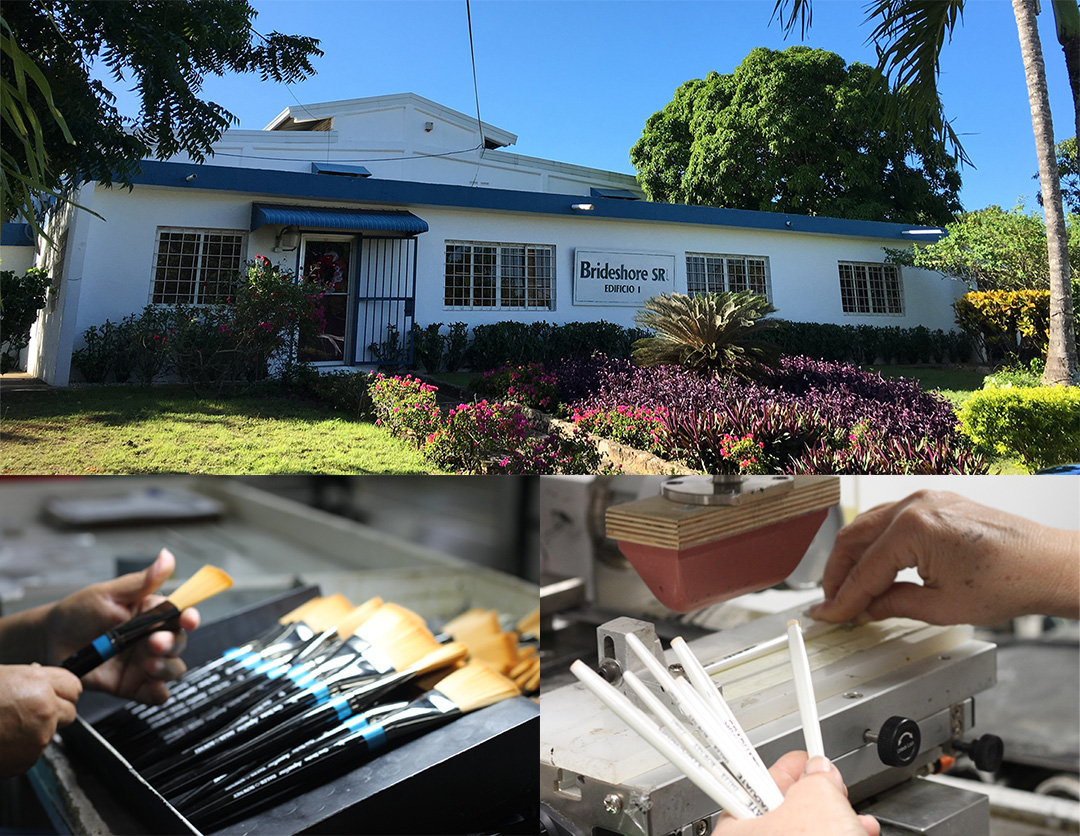
In 1969, Robert Simmons, later to be acquired by Daler-Rowney Ltd, opened an artist brush factory in La Romana in the Dominican Republic. Robert Simmons was the US brand leader in art and craft brushes and the facility was well placed to service the US market and beyond. Daler-Rowney acquired the business and the expertise of the artisans working there in 1994 and has since developed the site further. In addition to the continued brush production, canvases, sketchbooks, gummed and spiral pads and portfolios as well as paint sets and art kits are also manufactured on the 18,000 square metre site. It also became the first Free Trade Zone company in the Dominican Republic. The factory has received a special recognition award from Dominican President Danilo Medina and in 2019 celebrated its 50th anniversary.
FILA Group
In 2016, Daler-Rowney joined the FILA Group. FILA is proudly Italian and the group reaches 150 countries on 5 continents. They have built their history on their passion for art and creativity, making the concepts of coherence and transparency guiding principles that they have never ceased to follow.
Daler-Rowney distributes the following FILA brands in the UK: Giotto; Giotto be-bé; DAS; Lyra; Arches; Canson; Strathmore; Princeton; Maimeri; and LUKAS. In addition, Daler-Rowney sells UK-specific brands that include Scola; Creativity Backgrounds; and Creativity Inspired.
More about the FILA Group.
